 English
- English
-
 Français
 -
 日本語
日本語 -
 Deutsch
 -
 tiếng Việt
 -
 Italiano
 -
 Nederlands
 -
 ภาษาไทย
 -
 Polski
 -
 한국어
한국어 -
 Svenska
 -
 magyar
 -
 Malay
Malay -
 বাংলা ভাষার
 -
 Dansk
Dansk -
 Suomi
Suomi -
 हिन्दी
 -
 Pilipino
 -
 Türkçe
 -
 Gaeilge
 -
 العربية
 -
 Indonesia
 -
 Norsk
Norsk -
 تمل
تمل -
 český
český -
 ελληνικά
 -
 український
 -
 Javanese
 -
 فارسی
فارسی -
 தமிழ்
தமிழ் -
 తెలుగు
 -
 नेपाली
 -
 Burmese
 -
 български
 -
 ລາວ
ລາວ -
 Latine
 -
 Қазақша
 -
 Euskal
 -
 Azərbaycan
 -
 Slovenský jazyk
 -
 Македонски
 -
 Lietuvos
 -
 Eesti Keel
 -
 Română
 -
 Slovenski
 -
 मराठी
मराठी -
 Srpski језик
 -
 Español
 -
 Português


How Does a Turn Mill CNC Lathe Optimize Modern Manufacturing Processes?
Summary
Turn Mill CNC Lathes combine the versatility of turning operations with milling capabilities, offering precision, efficiency, and flexibility for complex machining tasks. This article explores the detailed specifications, operational advantages, and common inquiries associated with these advanced machines, aiming to provide manufacturers and engineers with comprehensive insights on their practical applications and maintenance considerations.
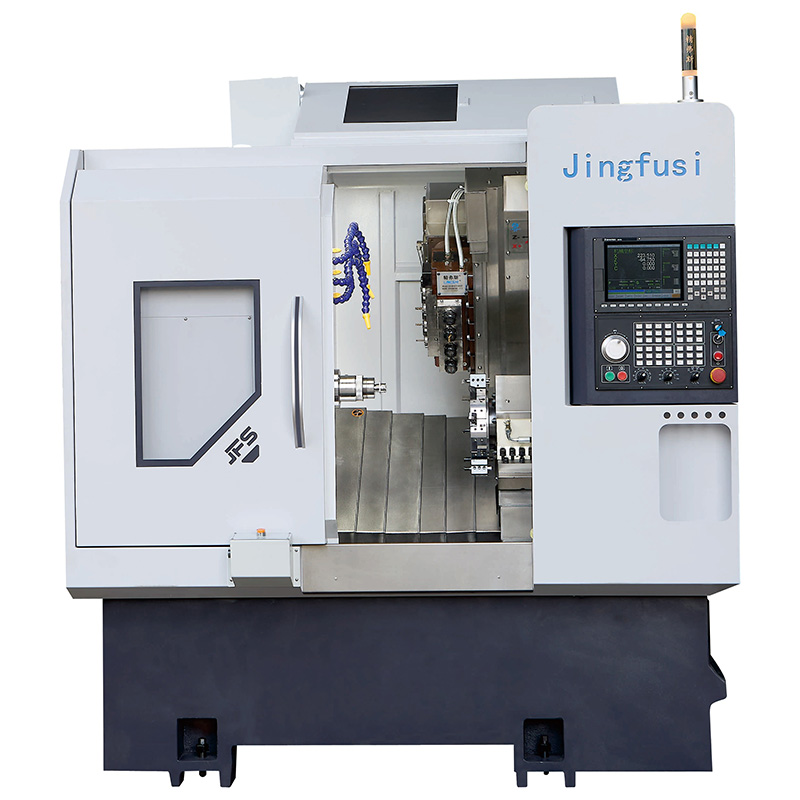
Table of Contents
Introduction to Turn Mill CNC Lathe
Turn Mill CNC Lathes integrate the functionalities of traditional lathes and milling machines into a single system, enabling simultaneous turning, drilling, and milling of workpieces with high precision. These machines are widely used in aerospace, automotive, electronics, and general manufacturing industries, where complex components require multi-axis machining without repositioning. Understanding the parameters, capabilities, and best operational practices of a Turn Mill CNC Lathe can significantly enhance manufacturing efficiency.
The primary advantages of Turn Mill CNC Lathes include improved accuracy, reduced setup time, and the ability to handle complex geometries in a single operation. Modern systems feature advanced CNC controllers, multi-axis synchronization, and customizable tooling setups.
Technical Specifications of Turn Mill CNC Lathe
The following table presents a professional overview of typical parameters for a Turn Mill CNC Lathe:
| Parameter | Specification |
|---|---|
| Max Turning Diameter | 500 mm |
| Max Turning Length | 1000 mm |
| Spindle Speed | 50–4000 RPM |
| Tool Turret Positions | 12–24 |
| Axes | X, Y, Z, C (optional B-axis) |
| Milling Power | 5–15 kW |
| Machine Weight | 4500–8000 kg |
| Control System | Siemens, Fanuc, or customized CNC controller |
| Repeatability | ±0.005 mm |
These parameters vary depending on the model and configuration of the CNC system, but they provide a baseline for understanding machine capabilities in industrial applications.
Operation and Maintenance Considerations
How to Optimize Turn Mill CNC Lathe Performance?
Achieving optimal performance requires precise calibration, regular maintenance, and appropriate tool selection. Operators should follow these best practices:
- Regular spindle and axis lubrication to prevent wear and tear.
- Periodic alignment checks to maintain machining accuracy.
- Ensuring cutting tools are sharp and appropriate for the material type.
- Routine software updates and CNC controller diagnostics to prevent unexpected downtime.
- Temperature and vibration monitoring during operation to avoid thermal deformation or chatter.
How to Ensure Safety During CNC Lathe Operations?
Safety is paramount. Operators should always use protective guards, follow lockout/tagout procedures, wear appropriate personal protective equipment, and undergo proper training. Emergency stop mechanisms must be tested regularly, and workpiece clamping should be secure to prevent accidents.
Turn Mill CNC Lathe Frequently Asked Questions
Q1: How does a Turn Mill CNC Lathe differ from a traditional lathe?
A1: Unlike a traditional lathe that only performs turning operations, a Turn Mill CNC Lathe integrates milling, drilling, and turning in a single setup. This multi-functionality reduces setup time, minimizes errors from repositioning workpieces, and allows for complex part geometries to be machined efficiently.
Q2: How to select the right Turn Mill CNC Lathe for a manufacturing project?
A2: Selection depends on workpiece size, material type, required tolerances, and production volume. Key factors include spindle power, number of axes, tool turret positions, and CNC control compatibility. Analyzing project requirements ensures the machine meets precision and throughput expectations.
Conclusion and Brand Information
Turn Mill CNC Lathes provide manufacturers with precision, efficiency, and versatility for complex machining applications. For organizations seeking high-quality CNC solutions, Jingfusi offers a range of customizable Turn Mill CNC Lathes tailored to diverse industrial requirements. Manufacturers can achieve improved operational efficiency, reduced downtime, and enhanced product quality by integrating these advanced systems into their production lines.
For more information or to explore the complete range of Turn Mill CNC Lathes, contact us today.
Send Inquiry



X
We use cookies to offer you a better browsing experience, analyze site traffic and personalize content. By using this site, you agree to our use of cookies.
Privacy Policy